
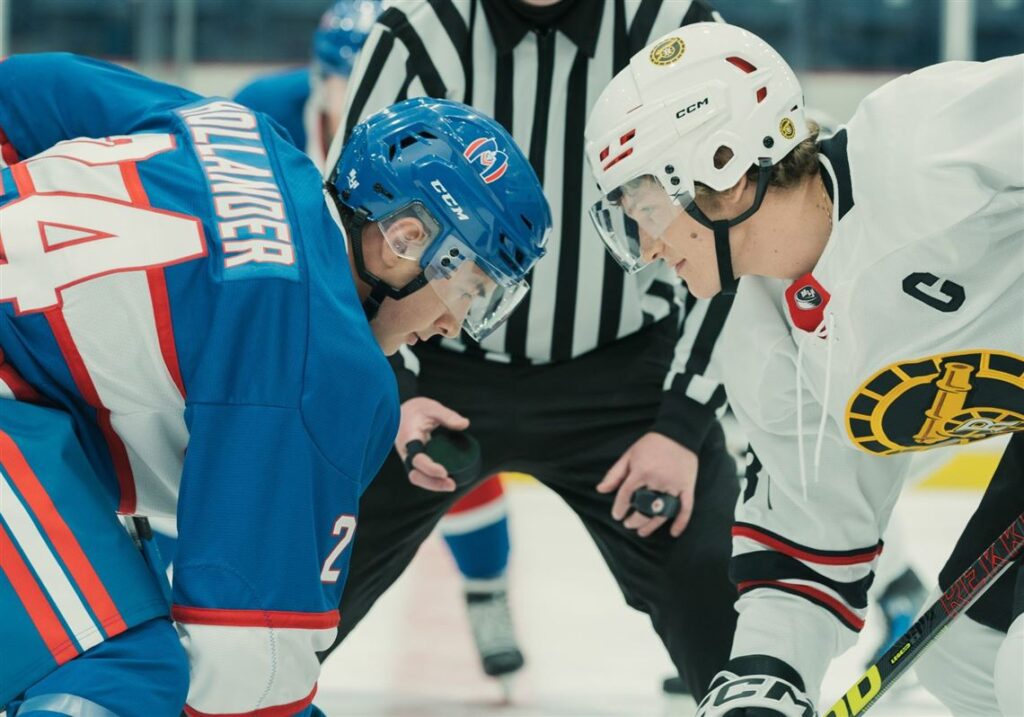
The new hit television show from Crave in Canada, Heated Rivalry, has made waves on the internet and proven that audiences are hungry for sports romance on their pages and screens. Hockey romance is quickly becoming one of the most popular sub-genres of romance, with chart-topping books like Icebreaker by Hannah Grace, the Briar U series by Elle Kennedy, and the Game Changers series by Rachel Reid. Notably, these books have the power to bring communities of both hockey and literature fans together. Their rise in popularity has everything to do with what readers are looking for and how sport is able to meet that demand. Take Rachel Reid’s Heated Rivalry for example, a book where two hockey player rivals, one Russian and one Canadian have a secret relationship spanning for over a decade that leads to their eventual coming out and wedding. Both books highlight the fear of identifying as LGBTQ+ in a sport wrought with toxic masculinity and explore the reasons why a high level athlete would wish to hide this part of themselves. The NHL does not contain any players, present or former, that identify as LGBTQ+ openly. This is why readers flock to stories such as Heated Rivalry to find community, connection, and entertainment within the world of this sport. The success of the TV adaption, Heated Rivalry, has further de-stigmatized this within the world of sports. Professional athletes have reached out to the Heated Rivalry cast members to say thank you for the representation the show provides, even if they are not able to come out themselves. In this way, sports romance has been able to meet the demands of players and fans alike and create a safe space to explore stigmatized topics without fear of retribution. Other works like Elle Kennedy’s Briar U series showcase topics ranging from familial pressure and the dangers of drunk driving. The range within this genre is reflective of the changing sports world.
Sports romance continues to catapult in popularity and make huge strides in destigmatizing romance as a genre. Specifically, Reid’s books and TV adaption act as a catalyst for reducing stigma within the male-dominated spaces of hockey and exemplify how tolerance is possible with enough visibility and support. While Heated Rivalry might be seen as the exception and not the rule, it is nonetheless a huge step in showing that an audience is willing to support these stories more than ever. Much like characters Scott and Kip, Rachel Reid reminds us in Heated Rivalry, “You deserve sunshine”, which is a reminder to look forward to the future of sports romance and its intersection with its real world.