
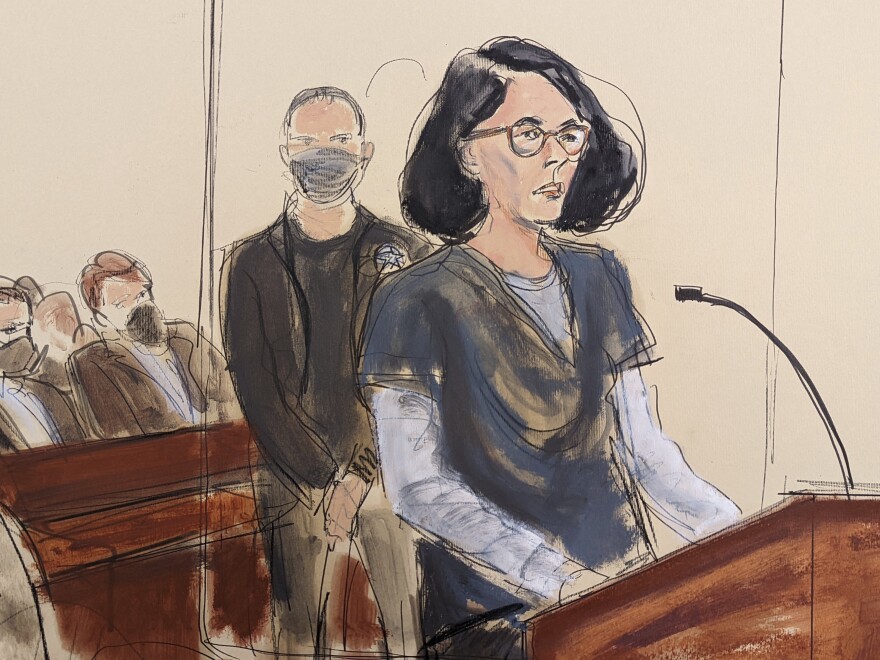
Ghislaine Maxwell, a longtime associate of the convicted sex offender Jeffrey Epstein, declined to answer questions during a congressional deposition on Feb. 9, 2026, invoking her Fifth Amendment right against self-incrimination, according to U.S. lawmakers.
Maxwell appeared virtually for a closed-door deposition before the House Committee on Oversight and Government Reform from a federal prison in Texas, where she is serving a 20- year sentence for sex trafficking offenses related to Epstein. Committee Chairman James Comer, a Republican from Kentucky, said Maxwell refused to respond to the questions as expected.
According to a BBC News report, not too much to Comer’s surprise, Maxwell pleaded the Fifth Amendment after the deposition. “We had many questions to ask about the crimes she and Epstein committed, as well as questions about potential co-conspirators,” Comer said.
The Fifth Amendment of the U.S. Constitution allows individuals to refuse to answer questions under oath if their responses could be used against them during criminal proceedings.
According to a letter sent to Comer before the deposition by Democratic Representative Ro Khanna of California, Maxwell had prior plans to invoke the Fifth Amendment and decline to answer all substantive questions. Khanna noted that Maxwell instead intended to read a prepared statement at the onset of the session.
Khanna wrote that this approach appeared inconsistent with Maxwell’s prior conduct, citing a previous meeting with Deputy Attorney General Todd Blanche in which she did not invoke her Fifth Amendment rights while discussing similar subject matter. Balance served previously as a personal attorney to President Donald Trump.
In a social media post earlier that day, Maxwell’s attorney, David Oscar Markus, stated that Maxwell would be willing to speak if she were granted clemency. “Only she can provide the complete account,” Markus wrote on X (formerly Twitter). The White House has previously said that no leniency or clemency is being discussed.
Democratic Representative Melanie Stansbury said after the deposition that Maxwell appeared to use the opportunity to advocate for clemency. Comer rejected the possibility of immunity, saying Maxwell did not deserve any special treatment.
A group of Epstein survivors also urged lawmakers to be skeptical of any information provided by Maxwell. In a letter sent to the committee, the group was critical of her past refusals to cooperate with law enforcement and warned that granting credibility or special consideration to her testimony could harm survivors.
Maxwell was convicted in 2021 for helping Epstein recruit and traffic underage girls for sexual abuse. Epstein died by suicide in a New York jail in 2019 while awaiting trial on federal sex trafficking charges.
The deposition comes with renewed scrutiny following the release of millions of pages of documents related to the Department of Justice’s investigation into Epstein. The release was mandated by legislation passed by Congress last year. Members of Congress are now permitted to review unredacted versions of the documents in person at the Department of Justice.
Lawmakers said the document release is intended to increase transparency surrounding the investigation into Jeffrey Epstein. Justice Department officials have denied allegations of a cover-up, stating that there is no undisclosed list of individuals being shielded from prosecution. Despite this denial, the matter remains controversial in public opinion.
The deposition had originally been scheduled for last August but was postponed at the request of Maxwell’s legal team while awaiting a Supreme Court ruling related to her case.