By: Madeline Trotta ‘25 – Published in Fall 2024 Issue 2
As fans of classic literature likely already know, Emerald Fennell, the director behind “Saltburn” and “Promising Young Woman,” recently announced her upcoming film adaptation of Emily Brontё’s 1847 novel, “Wuthering Heights”. Without knowing any additional details about the adaptation, the decision to cast Jacob Elordi as Heathcliff and Margot Robbie as Catherine Earnshaw has already provoked concern for many fans of the novel, myself included, who view the casting decision as a departure from the original feel of the story. Regardless of acting abilities, many see this as a sign that the upcoming adaptation will not be faithful to the text or fulfill their expectations–certainly a tall order, given the wide range of Wuthering Heights adaptations that have been released since 1920 and have tended to generate mixed feelings.
This situation, and numerous other ones surrounding similar film adaptations, raise the question of what makes a film adaptation of a novel “good.” Of course no adaptation is going to appeal to everyone, given differences in preference as well as each individual’s relationship to the original story, but there certainly are factors that set certain critically and commercially successful adaptations apart from the rest. The following countdown represents my perspective on what a “good” adaptation involves, and includes examples that I feel successfully embody each element.
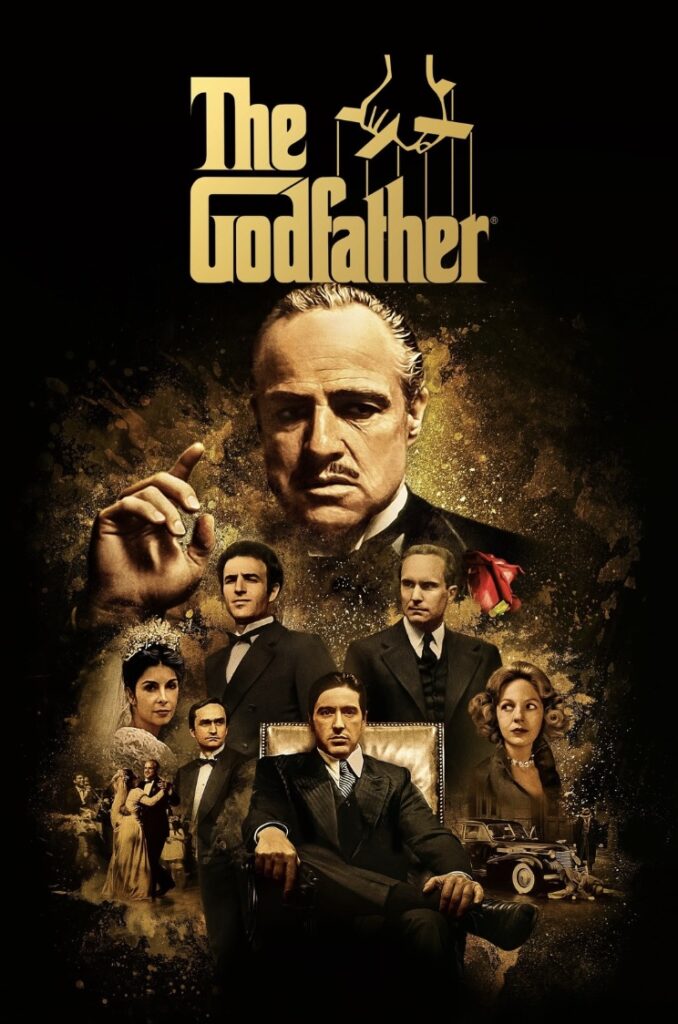
5. Entertaining as Film/TV – While many readers wish that their favorite books could be adapted in their entirety, with no detail left out, it’s undeniable that a film or TV adaptation must function smoothly in its new genre. Keeping scenes relevant and engaging, using appealing visual elements to add to the story, and making plot details easily understandable to the audience are key factors in this. A good example of a book that translated incredibly well to film is The Godfather, which benefited from unique acting to immortalize its characters and a visual representation of its action-packed plot.
4. Realism to the World – An adaptation should offer readers the chance to see a book come to life, and in that hope there is the expectation of realism. Of course if we are talking about a fantasy book, an adaptation could not possibly be realistic to our world, but we hope that the adaptation would be faithful to the fictional world and make it as lifelike as possible. Netflix’s recent adaptation of “Shadow and Bone,” for instance, was renowned for its costuming, sets, and use of fictional languages that made the fantasy world of the book series seem completely lifelike.
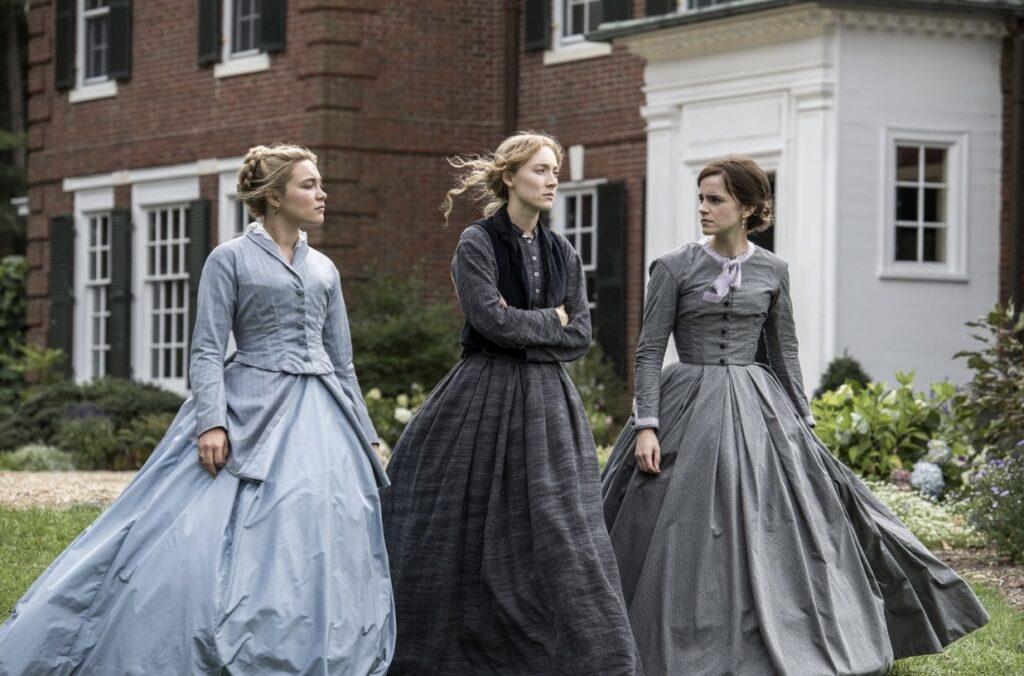
3. Complete, Cohesive Plot – It’s no secret that the fans of a well-loved story don’t want it to be missing key plot elements. Cutting a short scene here or there will most likely not upset the majority of people, but retaining important plot points from beginning to end make the story feel complete. If elements are added, they must not deviate from the feel of the rest of the plot or overshadow other events in the story. An interesting example that both confirms and challenges this idea is Greta Gerwig’s “Little Women,” which incorporates an ending that is distinctly different from the original but aligns more with the story’s message and the progression of events preceding it. Perhaps, then, cohesion is most important in this sense.
2. Characterization and Character Journeys – There is nothing more disappointing than watching an adaptation and realizing that a character you once loved has been made unrecognizable in terms of personality, so maintaining the behavior and relationships among characters is a key factor in making a good adaptation. Watering down a character is also undesirable, so it’s important to take into account the journey a character goes on throughout the story and how they change from beginning to end. Autumn de Wilde’s 2020 adaptation of “Emma” does a great job of representing the original story’s characters faithfully, as well as the way the two protagonists change as their relationship develops.
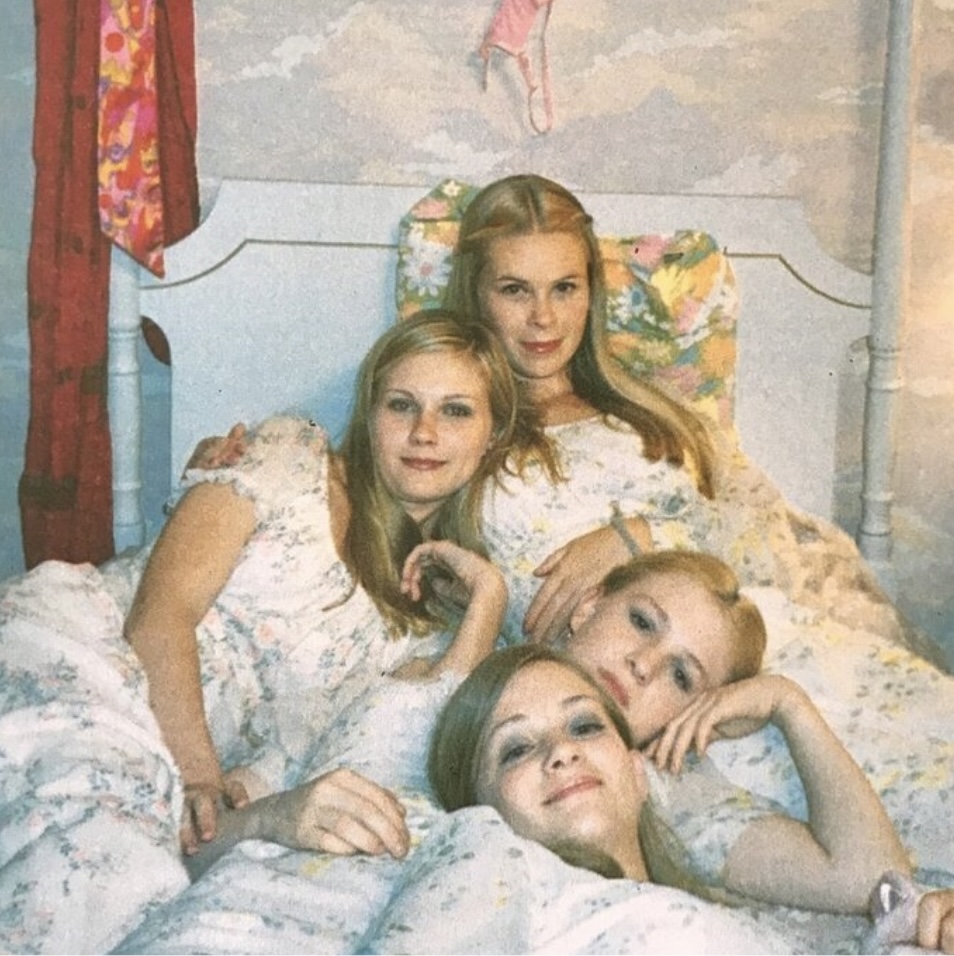
1. Inclusion of Important Themes When we think about why we like certain stories, one of the most important factors will always be a story’s themes. What does it tell us about the world we live in, or the experiences we have? Without this, no story, adaptation or not, would be memorable or worth consuming. Incorporating the same themes and motifs as the original text is very important for an adaptation, and a movie or TV show also has the advantage of being able to depict them in new and interesting ways. Sofia Coppola’s adaptation of “The Virgin Suicides,” for example, is able to emphasize the original book’s focus on surveillance and invasions of privacy by filming characters as if they were being spied on.
No adaptation is perfect, and there will always be discourse about what differentiates a “good” adaptation from a “bad” one. Some books, too, seem notoriously difficult to adapt well, “Wuthering Heights” being one of them–although focusing on maintaining the story’s essential themes and complex characterization, setting a realistic tone, and keeping plot points from the book while ensuring that it translates engagingly to screen are good places to start. One thing everyone can appreciate, certainly, is the fact that we have books that we care about enough to debate how they should be adapted and that there are always efforts to spread important stories and present them in new ways.